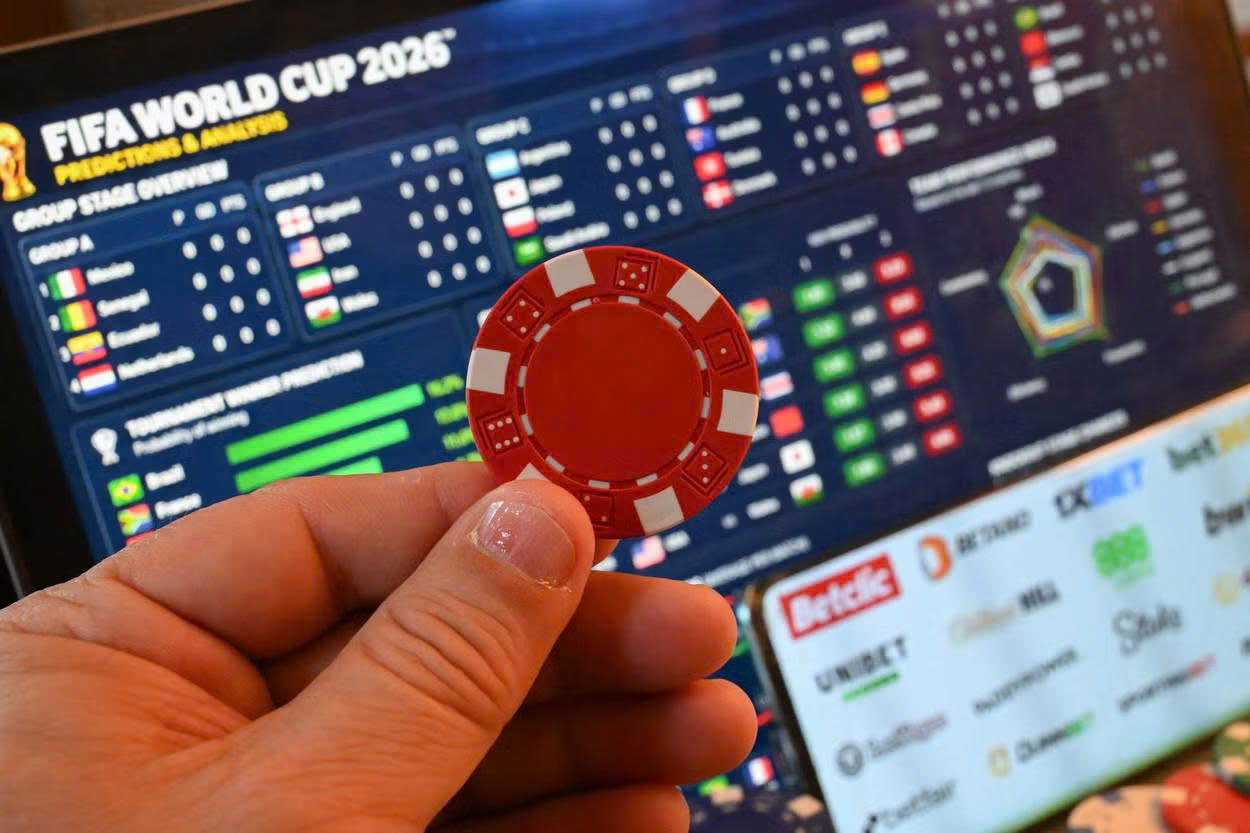










Beyond Game Count: Why Navigation Matters More Than Ever


For years, online casinos leaned on one proud number, total games. A library with 3,000 titles sounds stronger than one with 800. Yet that headline often hides the daily problem. Players rarely want every game, they want the right one fast.
That is why navigation now matters more than volume. Search bars, filters, and clear categories shape the first few minutes. Those design choices can decide whether a site feels easy, confusing, or forgettable.
This shift matters because choice happens quickly. Many visitors arrive with a rough plan, not a fixed title. They want a lobby that helps them decide, especially on a phone.
Why Easy Browsing Changes Choice
Good navigation does more than tidy the screen. It helps players spot familiar formats, compare options, and keep moving without friction. In crowded lobbies, design can matter more than raw size. The site that feels easier to read often feels better stocked, even when it is not.
That is especially true when several sites offer similar titles from the same makers. In those cases, the better route through the lobby becomes a real point of difference. It can even shape whether the library feels worth exploring.
The First Search Sets The Mood
The opening minutes often decide whether someone stays. A search bar that finds games by title, theme, or maker removes guesswork. When results appear quickly, the lobby feels cared for.
That matters for review driven readers as well. When people compare guides about the best online casinos in Norway, total volume matters less. They often care more about how fast they can reach a known game or format. A smooth first search can turn curiosity into confidence.
Good search also handles small mistakes. Players may remember only part of a title or mix up a maker name. A forgiving search box keeps that slip from becoming frustration.
Poor search does the opposite. It forces people to scroll, second guess spellings, or abandon a visit before any game loads. That friction feels small, but it colors the whole experience.
Filters Turn Noise Into Choice
After search, filters do the heavy lifting. They shrink a huge library into a shorter, more useful set of options, reflecting research on faceted categories. Instead of endless scrolling, players can narrow by game type, theme, stake, or special feature.
Good filters also reduce simple mistakes. Someone looking for live tables should not wade through hundreds of slots first. Someone who wants low volatility, meaning gentler swings in wins and losses, should be able to spot that path quickly.
The most useful filters share a few traits. They stay visible, use plain labels, and update results without delay. They let people combine options without resetting the whole page. They also work well on small screens, where clutter hurts most.
They should match real goals, such as jackpots, live tables, or mobile play. They should avoid vague tags that sound helpful but say very little. That is especially important on phones, where thumbs replace a mouse. Small delays and messy menus feel much bigger there.
Labels Make Big Libraries Feel Smaller
Categories and labels provide the final layer of guidance. They tell players where to go before they know exactly what they want. That is why names like "new games" or "live casino" work best when they mean something clear and stable.
Clear labels also help review sites judge quality more fairly. A lobby can look large on paper and still hide its strongest content. When groups overlap or shift without logic, browsing feels random. That can make a rich library feel oddly thin.
Useful category design follows a simple pattern. It puts familiar paths first and keeps special collections easy to scan. Broad categories should cover the main ways people browse, such as slots, tables, and live games. The goal is not more labels, but better ones.
When that structure works, choice feels lighter. People stop fighting the menu and start noticing the games. Secondary labels should add context, such as theme, jackpots, or fast rounds. New or featured sections should refresh often, or they lose meaning. The size of the library stops feeling like a burden.
That is also why navigation deserves a larger place in casino reviews. It shows whether a site respects the player's time from the first tap. Good browsing does not just support play, it shapes the choice before play even begins.
What Smart Reviews Should Check
Reviewers can no longer stop at game totals and bonus figures. They need to test how quickly a player can move from the lobby to a suitable game. That simple journey says a great deal about the real product. It also shows how well the site serves new visitors.
A strong site makes search obvious, filters useful, and categories honest. Those details reduce effort, which often matters more than another few hundred titles. In a crowded market, the easiest lobby to use can become the easiest one to choose. That is a design advantage, not a cosmetic extra.
RELATED ARTICLES

Top 100 Betting Apps in India : Best Legal & Safe Bookmakers
Where Your Betting Instincts Stop Working

Top 10 Betting Apps in India with the Best Bonuses

Football Accumulator Betting: How to Build Safer Multi-Bets
Top 100 Betting Apps in India : Best Legal & Safe Bookmakers
Where Your Betting Instincts Stop Working
Top 10 Betting Apps in India with the Best Bonuses
Football Accumulator Betting: How to Build Safer Multi-Bets

Top 10 Cricket Betting Apps in India: Safe, Legal & UPI Supported
.jpg)
Top 10 Betting Apps in India 2026: Expert Rankings and Legal Guide

Top 3 Betting Apps in India 2026: In-Depth Reviews & Safety Guide