









Foldable Laptops in 2026: Breakthrough for Mobile Work or Expensive Gimmick?


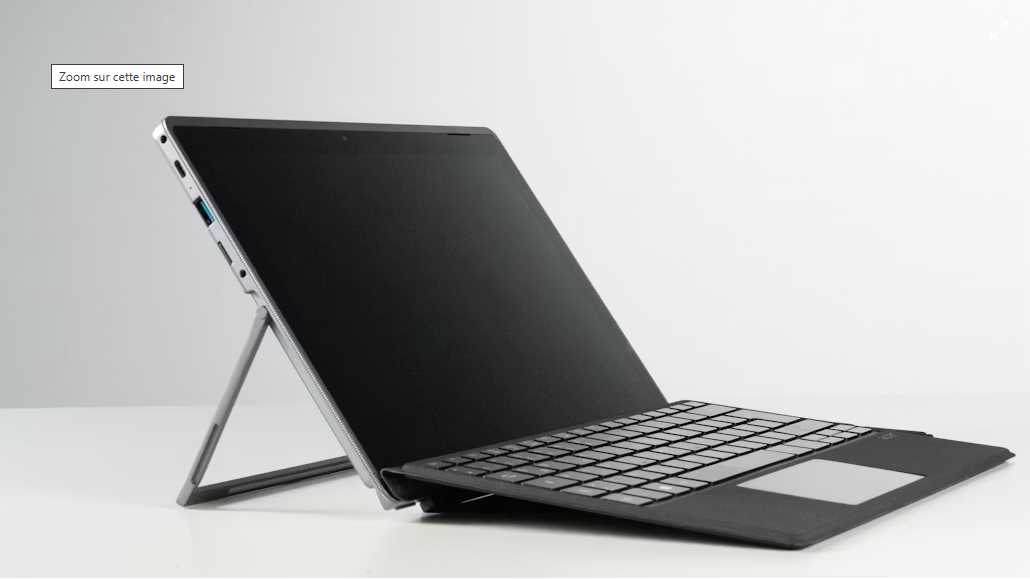
Flexible displays have already migrated from novelty phones to commercial notebook frames, inviting fresh debate about the direction of mobile computing. Matte hinges fold a 17-inch canvas into a small paperback footprint, promising bigger workspace without adding bulk to hand luggage. Hardware vendors pitch this hybrid as the next leap in productivity, yet purchase hesitation remains widespread.
Daily habits reveal the dilemma. A marketing manager can edit spreadsheets on the train, then unfold the panel at a café for a full-size presentation, all on one device. A brief pause to tap the jetx game link during a coffee break shows how entertainment and multitasking merge on the same stretch of flexible glass. Convenience sparks curiosity, but long-term value still depends on reliability, comfort, and cost.
Advantages That Matter Now
- Larger screen inside tiny bags
A 16-inch panel collapses into a 12-inch shell, escaping the weight penalties of traditional desktop-replacement laptops. - True multi-mode use
Fold flat as a tablet for sketching, prop upright with a wireless keyboard for desk work, or angle into a mini-tent for cramped flights. - Less need for external monitors
Dual-window layouts run side by side, so code editing, video timelines, or lecture notes stay visible without an extra display. - Pen and touch synergy
Stylus strokes feel smoother than on glass tablets, thanks to flexible layers that damp tap noise and improve grip.
Engineering Progress Noticed Since First Generation
Early foldables creaked under pressure and dimmed at the crease. Current units ship with carbon-fiber hinges tested for tens of thousands of cycles, plus self-healing polymer coatings that hide small scratches. OLED brightness now reaches 500 nits, enough for park-bench editing. Firmware reshapes the interface on the fly, shifting keyboard windows or media controls away from the bend, reducing accidental taps.
Battery life benefits from stacked motherboards that leave more room for larger cells. Adaptive refresh rates drop to 30 Hz during document reading, stretching runtimes past ten hours. Cooling plates disperse heat evenly, preventing hot spots near wrists while typing.
Software Ecosystem Finally Taking Shape
Operating systems detect screen posture in real time. Tilt the hinge past 150 degrees, and the layout snaps into dual-page mode for proofreading reports. Microsoft, Adobe, and several open-source suites added fold-aware sidebars, so toolbar clutter stays out of central view. Cloud editors treat the expanded canvas as two monitors, easing research tasks that juggle source articles and draft text.
Content creators value the pen-first approach. Pressure curves mimic dedicated graphics tablets, and the wide surface avoids the cramped margins seen on detachable keyboards. Animation timelines stretch horizontally, allowing more frames on screen, while color grading panels align under footage without overlapping.
Price Remains a Hard Sell
List prices hover near high-end gaming rigs, slowing adoption among students and budget-minded freelancers. Manufacturers counter with trade-in programs, but depreciation worries persist. Insurance premiums stay higher than for rigid devices because replacement parts cost more and fewer technicians handle repairs.
Practical Questions Still Unanswered
- Durability beyond lab tests
Spine stress under extreme cold, sand grains trapped in hinge gaps, and seat-back tray impacts during flights remain under-documented. - Long-term OLED aging
Static menu bars may etch faint outlines after years of use, potentially distracting during graphic design work. - Repair logistics
Regional service centers stock limited flexible panels, leading to longer downtime compared with standard clamshell models. - Keyboard ergonomics
Typing on a flat-screen half lacks tactile feedback, so many owners still pack an external board, partly negating portability gains.
Corporate IT and Security Considerations
Enterprise departments weigh encryption support and port selection before green-lighting new categories. Some foldables drop Ethernet jacks and full-size USB-A, forcing dongle dependence. Smart-card readers rarely appear, complicating compliance for finance or healthcare fields. Firmware updates for hinge sensors need consistent patch cycles; otherwise, misreads may lock the device in portrait when landscape is required, slowing workflows.
Remote-support teams must learn new calibration commands to diagnose panel glitches. Until standardized, help-desk scripts grow longer, raising support costs.
Environmental Impact
Flexible OLED production requires rare chemical compounds, complicating recycling. However, fewer overall devices may reach landfills if a single foldable replaces laptop plus tablet plus portable monitor. Energy savings from carrying one battery instead of multiple peripherals offset some fabrication footprints, but only if lifespan meets or exceeds five years.
Market Outlook
Analysts project moderate growth, driven by creative professionals, traveling consultants, and tech enthusiasts. Mass-market penetration depends on entry models dropping below traditional ultrabook prices. Component yields continue to improve, promising affordable tiers within two product cycles. Consumer confidence will climb as hinge life data accumulates and second-hand resale markets form.
Verdict: Balanced Optimism
Foldable laptops already prove practical for niche workflows that value screen real estate and portability above all. Reliability now hinges on sustained hinge strength, OLED endurance, and service availability. For many knowledge workers, a conventional clamshell plus external monitor still offers better value. Yet trend lines point toward refinement rather than retreat.
If price curves follow past smartphone foldables, mainstream adoption could arrive sooner than early skeptics predicted. Until then, foldable laptops represent both functional evolution and showroom magnet, inviting experimentation while offering genuine gains for those whose tasks align with the form factor’s strengths.
RELATED ARTICLES
Top 100 Betting Apps in India : Best Legal & Safe Bookmakers

Where Your Betting Instincts Stop Working

Top 10 Betting Apps in India with the Best Bonuses

Football Accumulator Betting: How to Build Safer Multi-Bets
Top 100 Betting Apps in India : Best Legal & Safe Bookmakers
Where Your Betting Instincts Stop Working
Top 10 Betting Apps in India with the Best Bonuses
Football Accumulator Betting: How to Build Safer Multi-Bets

Top 10 Cricket Betting Apps in India: Safe, Legal & UPI Supported
.jpg)
Top 10 Betting Apps in India 2026: Expert Rankings and Legal Guide
Top 3 Betting Apps in India 2026: In-Depth Reviews & Safety Guide