









How Smartphones Became the Primary Entertainment Device in the Middle East


Across much of the Middle East, smartphones have slowly moved into the role of main entertainment device, supported by fast uptake, affordable data plans, and changing viewing habits. It was not an overnight transition. Based on long-term industry observation and analysis of regional media markets, it reflects a steady move over the past decade away from television and desktop use toward mobile-first digital experiences. This broader environment directly shapes how online entertainment platforms, including online casinos such as Vegastars, are discovered and used by adult audiences.
From an expert evaluation standpoint, smartphones now function as the default screen for video streaming, social media, gaming, and interactive entertainment. Any digital platform operating in the region must be understood within this mobile-centric context.

Scale of Smartphone Adoption Across the Middle East
Smartphone penetration in leading Gulf markets now exceeds levels found in many Western countries. In several states, adult ownership sits above 90 percent, placing smartphones at the core of everyday digital life. Industry data indicates that they account for the largest share of media consumption value in the region, ahead of televisions, laptops, and tablets.
Mobile internet usage has driven sustained growth in streaming video, online gaming, and social platforms. Users in the Middle East rank among the most active globally in terms of daily mobile engagement. This level of usage explains why entertainment products are now designed with phones as the primary access point rather than a secondary option.
From Television and Feature Phones to Mobile Entertainment
In the early 2010s, television still sat at the center of most households. Feature phones were everywhere, smartphones less so, and mobile internet access was often slow or expensive. Entertainment followed those limits. Then prices dropped, networks improved, and habits started to shift, quickly.
By the middle of the decade, the old rhythms began to fade. Scheduled broadcasts mattered less once on-demand video and mobile apps became part of daily life. Waiting for an evening show gave way to watching short clips or full episodes on a phone during breaks at home. That change was subtle at first, but lasting. The smartphone stopped being a secondary screen and became something personal, carried, and used alone rather than shared.
Demographic, Economic, and Cultural Drivers
Demographics help explain why this transition moved so fast. The Middle East has a comparatively young and digitally fluent adult population, one that adopted smartphones early and integrated them into daily routines with little friction. In many markets, higher disposable income reinforced that trend, making regular device upgrades and active app use feel routine rather than unusual.
Culture mattered too. Once mobile-first habits took hold, they reinforced themselves. Entertainment followed the device people already had in their hands, and expectations adjusted around speed, convenience, and constant access.
Cultural habits also adapted to mobile formats. Activities traditionally tied to television or communal viewing migrated to phones through official apps and streaming platforms. As a result, entertainment became more individualized and available throughout the day.
Connectivity, Data Economics, and Mobile-First Living
Improved mobile networks and more affordable data plans made high-quality streaming and online gaming feasible over cellular connections. Smartphones are now used extensively at home, competing directly with televisions and computers rather than serving only as on-the-go devices.
From industry observation, this mobile-first living model extends beyond entertainment. Banking, shopping, and communication increasingly occur on phones, reinforcing their central role in digital life.
Content Ecosystems and Online Casino Platforms
Modern entertainment ecosystems blend video, social interaction, and gaming into a single mobile experience. Online casino platforms operate within this same environment. For example, an adult user may switch between social media, a mobile game, and a short session on Vegastars without changing devices.
From an expert evaluation standpoint, this integration explains why casino platforms prioritize mobile interfaces, fast loading times, and streamlined navigation. Smartphones have set the baseline expectations for usability and accessibility across all entertainment categories.
Top 5 Reasons Smartphones Dominate Entertainment in the Middle East
- High smartphone penetration
Phones are widely owned and frequently upgraded. - Affordable mobile data
Streaming and gaming are accessible without fixed connections. - Mobile-first content design
Platforms are built specifically for small screens. - Always-available access
Entertainment fits into daily routines. - Integrated digital services
Communication, payments, and entertainment converge on one device.
Informational Table: Device Roles in Middle East Entertainment
|
Device Type |
Primary Role |
Relative Importance |
|
Smartphones |
Core entertainment screen |
Highest |
|
Smart TVs |
Home streaming |
Secondary |
|
Laptops |
Productivity and long-form content |
Complementary |
|
Tablets |
Occasional shared use |
Limited |
|
Consoles |
Dedicated gaming |
Niche |
Gambling Advisory Notice
Online casino participation involves financial implications and outcomes are determined by chance. Mobile access does not change this underlying uncertainty. Casino platforms are intended for adults of legal age and should be used within clear personal limits. They should not be viewed as a method of generating income or addressing financial pressure.
Final Thoughts
The dominance of smartphones in the Middle East comes down largely to habit and convenience. As mobile devices became the main screen for communication, streaming, and gaming, entertainment platforms adjusted accordingly. In this setting, success is shaped less by the category and more by how seamlessly a platform fits into mobile-first routines.
From an evaluation standpoint, Vegastars operates in a Middle Eastern digital landscape where smartphones shape nearly every form of media consumption. Its relevance isn’t determined only by the casino content it provides. What matters just as much is how closely the platform aligns with mobile-first habits shaped by streaming, social media, and constant connectivity.
RELATED ARTICLES

Where Your Betting Instincts Stop Working

Top 10 Betting Apps in India with the Best Bonuses
Football Accumulator Betting: How to Build Safer Multi-Bets
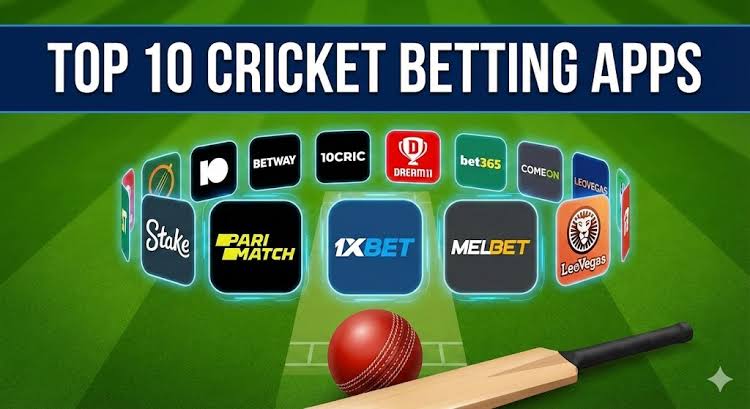
Top 10 Cricket Betting Apps in India: Safe, Legal & UPI Supported
Where Your Betting Instincts Stop Working
Top 10 Betting Apps in India with the Best Bonuses
Football Accumulator Betting: How to Build Safer Multi-Bets
Top 10 Cricket Betting Apps in India: Safe, Legal & UPI Supported
.jpg)
Top 10 Betting Apps in India 2026: Expert Rankings and Legal Guide
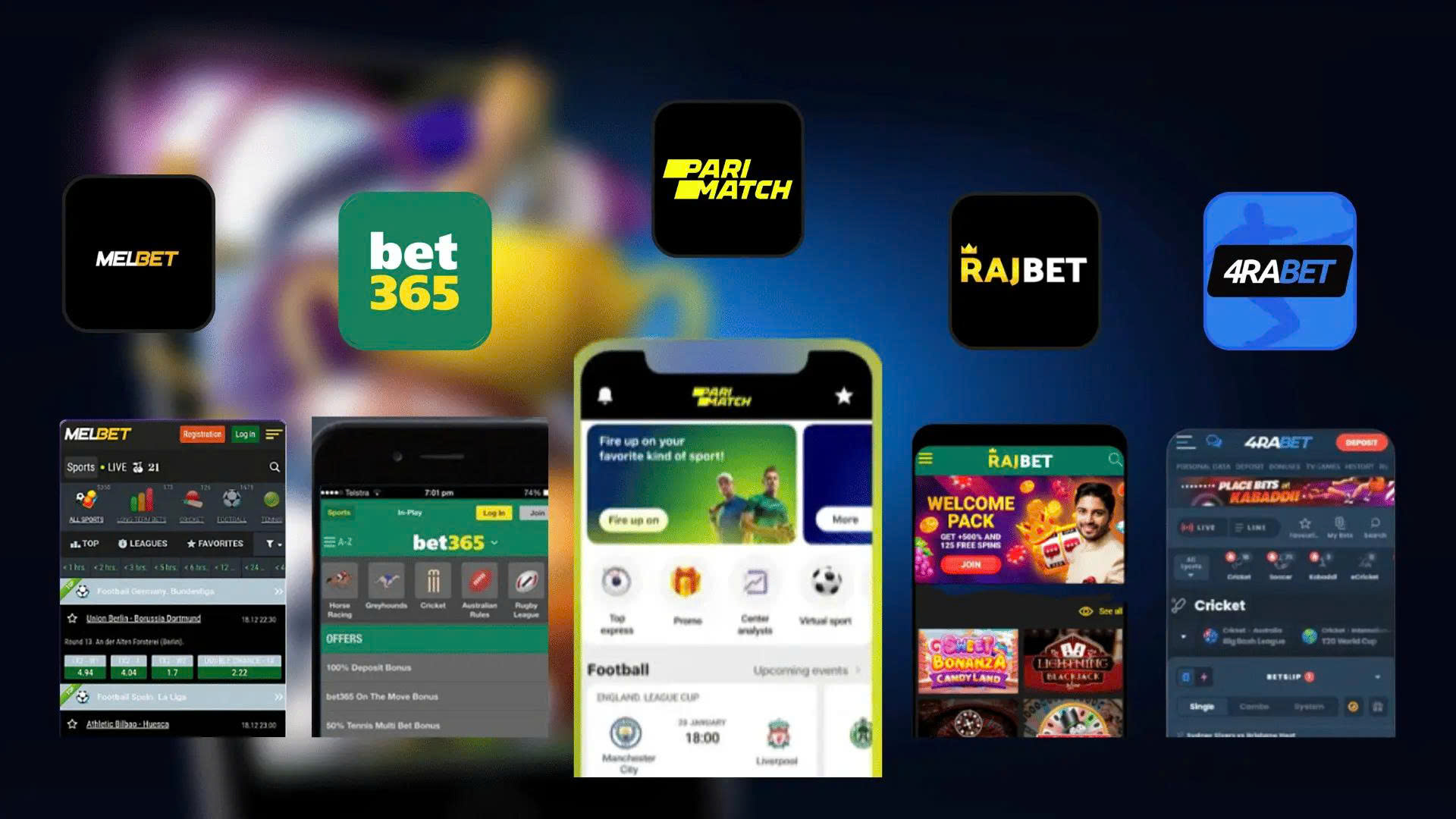
Top 3 Betting Apps in India 2026: In-Depth Reviews & Safety Guide
In African betting, the operator who wins is the one whose payments don't fail