











Sportsbook acquires, casino monetises: what a shared wallet changes in retention and cross-sell economics


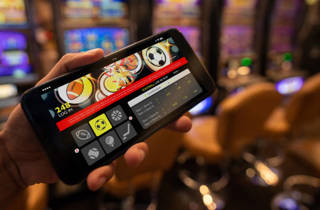
When your sportsbook brings in a customer, the commercial opportunity can extend well beyond the first betting transaction, especially when the casino sits behind the same account structure. A shared wallet, unified reporting and connected player records can reduce friction across both verticals, while separate platforms can create duplicated KYC, conflicting bonus logic and difficult reconciliation.
When you evaluate sport betting platform software, you are really assessing how effectively your sportsbook can connect acquisition with the rest of your operation. Gamingtec currently states that its platform supports more than 480,000 pre-match events and 180,000 live events each year, while the casino and sportsbook can operate through one back office with a shared wallet and reporting. That connection gives you one commercial view of the customer.
You can also see the difference when a customer moves between products. A shared wallet lets the same balance support sportsbook and casino activity, while unified reporting keeps deposits, wagering activity and promotional costs connected to one account. Gamingtec states that its turnkey platform can reach go-live in about four weeks, subject to the scope of integrations and customization. The architecture ultimately matters as much as the interface you see.
Online casino software: where cross-sell becomes measurable
When you assess online casino software, you should look at how naturally it connects with the sportsbook account. If each vertical operates through separate infrastructure, you can end up duplicating KYC processes, maintaining separate customer records and reconciling different wallet balances. Those tasks consume operational resources, while fragmented data can make customer value harder to measure across the full relationship.
A casino and sportsbook in one solution gives you a different operating model, particularly when player management, payments, wallet functions and reporting share the same back office. That structure can help you identify where sportsbook customers engage with casino, while sportsbook software can connect those journeys through common account infrastructure. For an operator, that means cross-sell becomes an operational process that can be measured.
What live betting demands from a platform
If you are evaluating live betting, focus on what happens when markets change rapidly. Betting software needs coordinated feeds, suspension controls, settlement processes and trading tools, while in-play markets require those functions to communicate quickly. A sports betting solution live betting setup needs to handle event changes across the full transaction path, rather than presenting live functionality as a front-end feature alone.
You should also test how sportsbook platform providers handle pressure during busy events. Ask to see feed ingestion, market suspension, repricing, bet acceptance and settlement working together, while you examine the resulting records through the back office. Strong sportsbook software should give your trading team visibility throughout that sequence, while the underlying architecture should keep customer transactions consistent when event conditions change.
Odds feed latency and market suspension
Odds feed latency matters because every additional delay can increase the gap between displayed information and the market state being processed. You should examine the complete route from the source feed through trading logic, front-end display and wager acceptance. The UK Gambling Commission's technical standards address time-critical in-play conditions, including requirements around affected market suspension during interruptions.
Your testing should also measure how quickly sportsbook software reacts when a feed changes or becomes unavailable. Ask how odds feed latency is recorded, how in-play markets are suspended and how reopening decisions are controlled. A sports betting solution live betting platform needs predictable behavior across those stages, while betting software should provide enough logging for your technical team to trace what happened when a market moves unexpectedly.
Automated risk and trading tools
Effective sportsbook risk management connects exposure controls with pricing, limits, suspension rules and trader intervention. When you compare sportsbook platform providers, ask to see those functions operating against real event conditions, while you also examine how quickly traders can identify unusual exposure. Gamingtec describes automated risk management, real-time odds and trading tools as part of its sportsbook offering.
You should then test how sportsbook risk management interacts with the shared customer account. A customer who moves between sportsbook and casino still needs consistent wallet information, while your reporting should attribute activity correctly across both verticals. A casino and sportsbook in one solution can simplify that structure, while sportsbook platform providers need to demonstrate how records remain connected when transactions cross product boundaries.
What to stress-test pre-signature
Before you sign, ask your sportsbook platform providers to reproduce feed interruptions, market suspensions, traffic spikes, settlement exceptions and wallet movements. You should also test betting software under realistic pressure, while examining what happens between data ingestion, trading decisions and customer-facing transactions. The objective is to discover how the system behaves when several services experience pressure simultaneously.
Then test the economics of separation. Create one sportsbook account, move funds into the casino and examine every wallet entry, KYC record and report produced along the journey. If your teams need manual exports to reconcile customer activity, the apparent simplicity of separate systems can create recurring work. A connected casino and sportsbook in one solution can reduce that fragmentation, while sportsbook software gives you a common operational foundation.
Finally, ask how the supplier measures odds feed latency, manages in-play markets and applies sportsbook risk management during interruptions. You should also examine whether those controls remain visible through reporting, while testing how quickly your team can investigate exceptions. The real distinction between a working sportsbook stack and a polished demo appears under pressure, where the sports betting solution live betting capabilities, wallet integrity and reporting have to work together.
RELATED ARTICLES

Half of All Bitcoin Transactions Were a Dice Game Here's How That Happened

Which Is the Easiest Betting App to Use? A Beginner's Guide for 2026

How to Stop Betting Apps on iPhone: A Complete 2026 Guide

Betting App Prediction: How Accurate Are They Really?
Half of All Bitcoin Transactions Were a Dice Game Here's How That Happened
Which Is the Easiest Betting App to Use? A Beginner's Guide for 2026
How to Stop Betting Apps on iPhone: A Complete 2026 Guide
Betting App Prediction: How Accurate Are They Really?

9 Bet App Download: How to Install a Betting App Safely

Hollywoodbets Betting App Download: Detailed 2026 Guide

How to Safely Download and Install Betting Game App APKs on Android: A Complete Guide
