










Our Expert Verdict
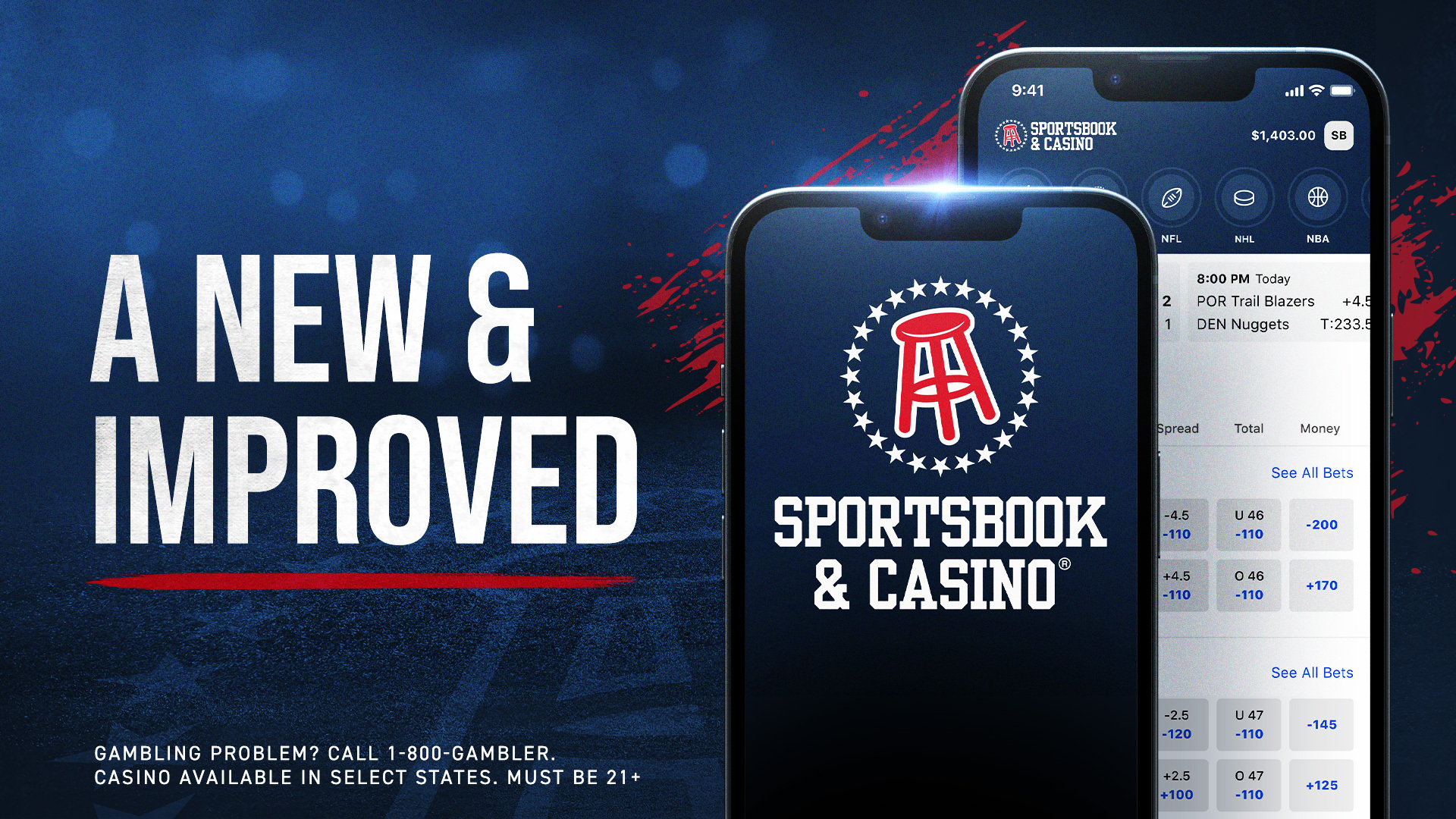
Selecting a trustworthy online bookmaker requires filtering through endless marketing claims to find real substance. You have probably dealt with platforms that boast lightning-fast payouts, only to hit you with exhaustive verification delays or hidden processing surcharges. Worse still, registering on an uncertified offshore platform exposes your personal information and hard-earned bankroll to immediate security threats. This comprehensive review inspects Barstool Sportsbook West Virginia, evaluating its operational history, market pricing, software performance, and its eventual corporate exit from the Mountain State.
After testing Barstool Sportsbook West Virginia with $1,500 in stakes during its active operational run, we concluded that Barstool Sportsbook suited casual sports fans who prioritized lifestyle rewards and community ties, but serious sports bettors frequently suffered from poorly competitive odds lines, a cluttered application interface, and unstable long-term corporate continuity.
Is this defunct media-driven portal worth studying, or does its operational friction explain why it was forced out of the regulated US market? This article answers these critical questions using verified historical data.
Quick Facts Box
|
Criterion |
Information |
|
Founded / WV Launch |
August 2021 |
|
Status |
Defunct / Permanently Closed (Rebranded to ESPN BET in late 2023, then transitioned to theScore Bet) |
|
Headquarters |
Wyomissing, Pennsylvania (PENN Entertainment) |
|
Former WV Land-Based Partner |
Hollywood Casino at Charles Town Races |
|
Former Regulator |
West Virginia Lottery Commission |
|
Minimum Deposit |
$10 |
|
Minimum Withdrawal |
$10 (Check requires $250 minimum) |
|
Withdrawal Processing Time |
1 to 5 Business Days via Traditional Banking |
|
Languages Supported |
English |
|
Mobile App |
iOS & Android Apps (Now removed from stores) |
|
Live Chat Support |
Historical Only |
|
Final Betmentor Score |
0.0 / 10 (Historical Only) |
What Happened to Barstool Sportsbook in West Virginia?
Barstool Sportsbook officially entered the West Virginia online sports betting market in August 2021 under the corporate management of PENN Entertainment. The platform utilized a digital betting "skin" (online operating license) anchored directly to PENN's physical brick-and-mortar property in the state, the Hollywood Casino at Charles Town Races, and operated with the full approval of the West Virginia Lottery Commission.
Despite leveraging the massive media presence and loyal fan base of Dave Portnoy’s Barstool Sports brand, the mobile app heavily struggled to capture significant market share against dominant US sports betting giants like DraftKings and FanDuel.
The Massive Rebrand Lifecycle
In August 2023, PENN Entertainment made an abrupt corporate u-turn. Realizing that the edgy and often controversial nature of Barstool's media content restricted the sportsbook's ability to appeal to mainstream audiences and tightly regulated state markets, PENN completely dissolved its partnership with Barstool Sports.
PENN Entertainment's Brand Evolution Lifecycle:
PENN famously sold 100% of the Barstool Sports media brand back to its original founder, Dave Portnoy, for a symbolic fee of $1.00. Concurrently, PENN entered into a massive brand-licensing agreement with the Walt Disney Company's premier sports network to launch ESPN BET on November 14, 2023, permanently shutting down the Barstool interface.
Crucially, this consolidation phase did not stop there. Following ongoing structural shifts in the US online gambling industry, PENN Entertainment and ESPN mutually agreed to early-terminate their partnership, leading to a massive rebranding of these core US betting assets under PENN’s highly successful theScore Bet banner.
Is Barstool Sportsbook Legit? Historical Safety Analysis
Operating License & Regulatory Standing
During its active lifespan, the legal standing of Barstool Sportsbook was ironclad. Because it operated under the strict statutory oversight of the West Virginia Lottery Commission, it was required to maintain absolute corporate transparency, submit its software to rigorous testing state labs, and hold domestic player balances in completely segregated accounts.
Security & Financial Protection
The technical architecture safeguarding the Barstool app utilized advanced 128-bit Secure Sockets Layer (SSL) encryption protocols to secure inbound financial transactions and personal profile data. Furthermore, user identities were checked against central US credit databases to prevent identity theft.
Community Feedback
Aggregated consumer feedback across North American gambling forums revealed a stark divide. While casual "Stoolies" (fans of the media site) loved the unique merchandise giveaways and localized bet boosts, dedicated sports handicappers routinely criticized the brand. Users frequently complained about immediate betting limit reductions if they showed consistent profits, alongside tedious customer support loops when trying to settle manual bonus bet allocations.
Betting Products at Barstool Sportsbook
Sports Betting Markets
Barstool Sportsbook featured a standard betting catalog covering major professional American athletic disciplines, including the NFL, NBA, MLB, NHL, and NCAA college sports. While the tournament depth was adequate for mainstream events, the overall market pricing structure was heavily criticized.
The bookmaker built significantly higher house profit margins (vigorish) into its everyday lines compared to market leaders. For a standard professional matchup, Barstool's line juice regularly sat at 5.5%, meaning you had to risk more capital to achieve identical long-term returns. Advanced sports tools like alternative props or same-game parlay building modules felt clunky and lagged behind competitors.
Online Casino
Because West Virginia is one of the few elite US states that permits legal online casino gambling, the app featured an integrated "Barstool Casino" area. The layout hosted classic electronic slots, virtual roulette wheels, and a modest live dealer lobby. However, loading speeds suffered from noticeable performance stutters during peak weekend betting windows.
Promotions & Bonuses (Legacy Framework)
Welcome Bonus Structures
The introductory promotional strategy of Barstool Sportsbook originally featured a $1,000 "2nd Chance Bet" model. If your initial real-money wager resulted in a loss, the platform refunded your stake up to a maximum cap of $1,000. However, this insurance was credited strictly as non-withdrawable bonus bets rather than real cash, carrying an immediate 7-day expiration clock.
Existing Member Promotions
Player retention rewards were heavily tied to the company's media personalities. The operator ran recurring "Overs Drafts" or custom parlay boosts named after specific content creators. The primary flaw was that these boosts often nudged users toward choosing statistically poor, highly volatile combinations that carried below-average long-term wagering value.
Deposit & Withdrawal Guide
Deposit Methods
The banking tab supported traditional regulated US payment networks, requiring an accessible minimum baseline entry.
|
Method |
Fee |
Time |
Min–Max |
|
Visa / Mastercard |
0% |
Instant |
$10 / $5,000 |
|
PayPal / Venmo |
0% |
Instant |
$10 / $10,000 |
|
Online Banking (ACH) |
0% |
Instant |
$10 / Unlimited |
|
Cash at Casino Cage |
0% |
Instant |
$10 / Unlimited |
Withdrawal Methods
Withdrawal requests required matching your original deposit pathways, with digital wallets delivering the fastest processing times.
Common Withdrawal Issues
The primary issue users encountered stemmed from strict identity verification procedures. If a player attempted to withdraw funds to a bank account that did not match their exact social security data or physical residential address on file, the system triggered immediate transaction holds. Furthermore, processing paper checks required a massive $250 minimum threshold, creating immediate friction for casual, low-stakes players.
User Experience
App Interface Performance
The mobile application featured intense graphic overhead, packed with promotional banners pushing media talent. While visually distinct, this dense media layout caused severe navigation lag and high layout shift times on older smartphones—a frustrating flaw when trying to place fast-moving live in-play bets.
Customer Support
The client care center was functional but basic. The platform offered a dedicated help desk, email submission forms, and a live chat widget. However, response times soared during peak NFL Sunday hours, leaving users stuck in lengthy queues when trying to resolve tech stutters or account locks.
Pros & Cons of the Former Platform
Pros
- Fully regulated by the West Virginia Lottery Commission, guaranteeing fund safety.
- Seamlessly integrated cash deposits/withdrawals at the Hollywood Casino cage.
- Entertaining, content-driven promotional campaigns for casual fans.
Cons
- The platform is completely defunct and no longer accepts real-money wagers.
- Imposed uncompetitive odds margins and higher vigorish on major sports.
- The app interface suffered from severe graphical lag and performance stutters.
- Enforced rapid account limiting on consistent, profitable handicappers.
Current Regulated Alternatives in West Virginia
Because Barstool Sportsbook has permanently closed its doors, you must shift your bankroll to active, legally certified operations. West Virginia remains one of the most progressive and successful gaming markets in the United States, allowing players to access fully regulated online sports betting and accompanying online casino platforms under state-backed protection.
If you want competitive odds lines, smooth mobile performance, and complete corporate accountability, we advise checking out current market leaders such as BetMGM, DraftKings, or FanDuel.
Frequently Asked Questions (FAQ)
Can I still use my old Barstool Sportsbook WV login?
Your old Barstool Sportsbook account data was automatically migrated into PENN Entertainment's successive platform infrastructure. If you held active funds or stored banking methods, those profiles were fully preserved and moved during the corporate rebrand phases.
Is sports betting legal in West Virginia?
Yes. West Virginia officially legalized sports betting both in retail locations and via mobile applications in 2018. Anyone who is at least 21 years old and physically present within the state borders can legally place real-money sports wagers.
Why did Barstool Sportsbook close?
PENN Entertainment dissolved the partnership because the edgy media content of the Barstool brand restricted the sportsbook's ability to capture mainstream market share and maintain smooth relationships with conservative regulatory bodies across multiple states.
Always manage your bankroll with strict discipline, set clear daily or weekly deposit caps, and treat sports betting exclusively as a paid form of digital entertainment. If you or someone you know requires assistance controlling their wagering habits, call the West Virginia problem gambling hotline immediately at 1-800-GAMBLER or visit BeGambleAware.org.